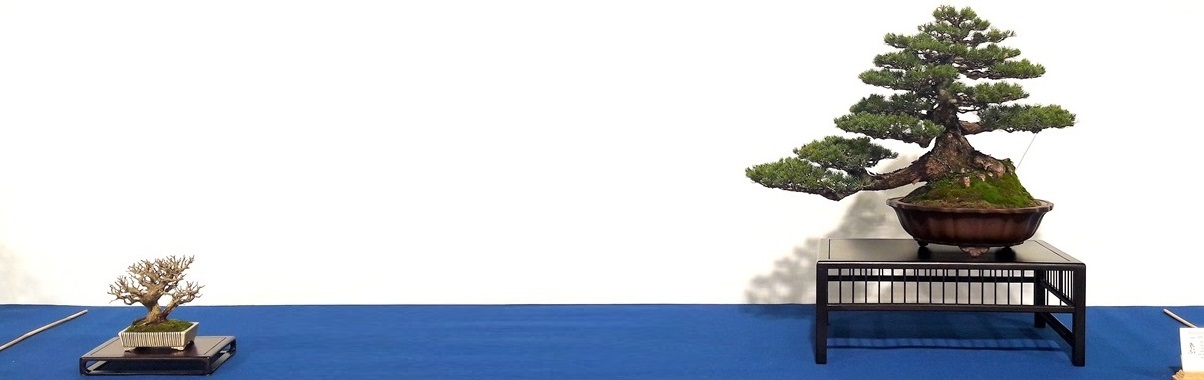
Ritka kivételektől eltekintve a fenyő bonsaiok örökzöldek. Ezért a Japán kultúrában az örökkévalóság illetve az állandóság szimbólumai. Probléma mentes tartásuk mellé lassú növekedés társul és meghatóan nyugodt hangulat. A kertek és japánkertek meghatározó motívumai - ami azt is jelenti, hogy nem hiányozhatnak egyetlen bonsai gyűjteményből sem. Szeretnek fényes helyen lenni, jól viselik a nyári kánikulát is és a téli hidegeket egyaránt.
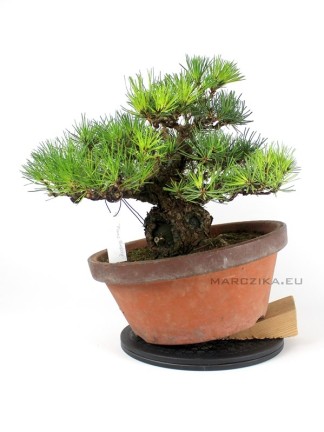
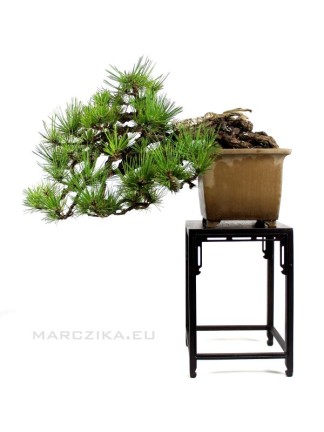
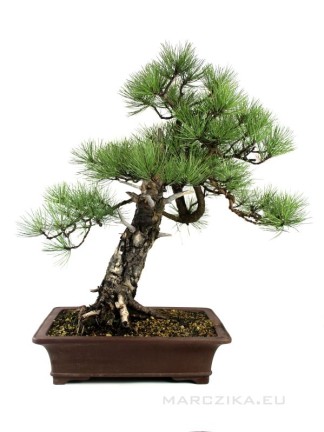
Erősen rusztikus, paráskérgű Japán feketefenyő bonsai. Igényei szerint ugyanúgy tartható európai viszonyok között mint a Pinus nigra (Feketefenyő) vagy a Pinus sylvestris (Erdeifenyő)...
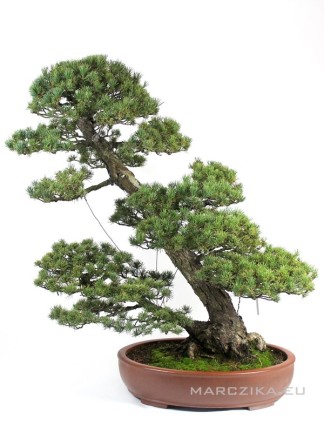
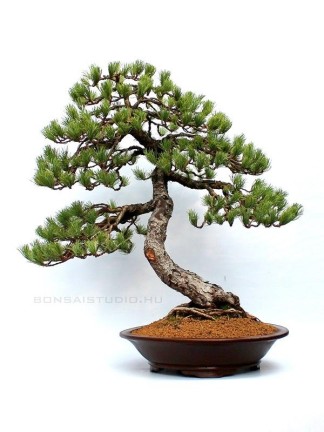
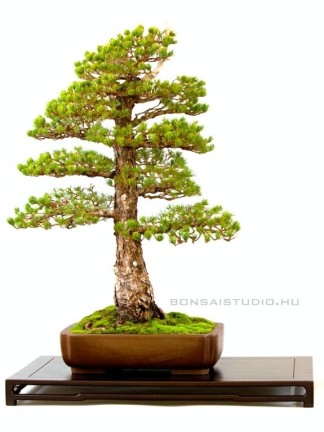
Sűrű lombkoronájú és öreg kérgű Japán fehérfenyő bonsai. Viszonylag kialakult stílusa van amit egy finomdrótozással véglegesíteni lehet és egy kompakt összképet teremtve tökéletes bonsait teremteni...
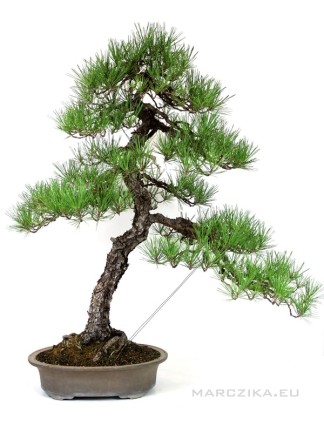
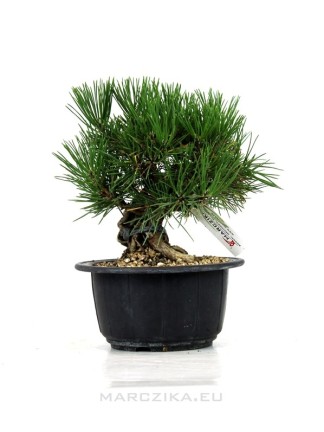
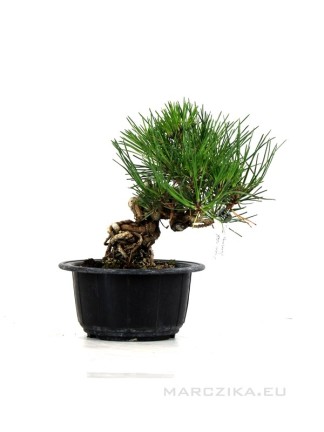
Rendkívül erőteljes ágrendszerrel bíró Japán feketefenyő bonsai. Ágrendszerén a zöld felületek aránya magas - így akár tálba is ültethető. 30cm magasságával a Kifu méretkategória...
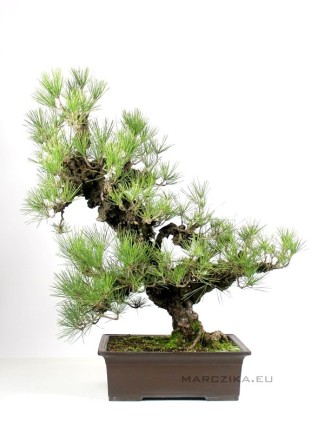
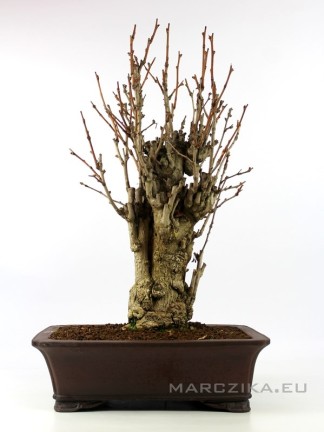
Sokan (ikertörzsű vagy apa - fia) bonsai stílusú régies hangulatú Japán fehérfenyő bonsai. Kérges törzsének rajzolata és főbb ágai könnyedek míg beültetése és általános hangulata inkább régiesen nehézkes...
A Pinus nemzetségbe tartozó Pinus thunbergiit Japán feketefenyő néven ismerik köznyelven. Ez a gyönyörű növény a moyogi stílus vonásait viseli, finom, tűszerű zöld levelei kíséretében. Tavasszal a Japán feketefenyő apró vöröses virágokat hoz, majd idővel kis barna tobozokat is növeszt. A Feketefenyő az egyik legszívósabb bonsai fafajta, mert szinte minden extrém szélsőséges környezetet tolerál. Szabálytalan formájú...
Paráskérgű Japán feketefenyő kompakt lombkoronával. Gyönyörű idős kérge impozáns és vastag törzs hatását kelti. Tartása Európáben teljesen megegyezik a nálunk élő Fekete fenyőével...
A Pinus nemzetségbe tartozó Pinus thunbergiit Japán feketefenyő néven ismerik köznyelven. Ezt a gyönyörű növényt finom tűszerű zöld levelek jellemzik, amelyek mindig párban nőnek. Tavasszal a Japán feketefenyő apró vöröses virágokat hoz, majd idővel kis barna tobozokat is növeszt. A Feketefenyő az egyik legszívósabb bonsai fafajta, mert szinte minden könyörtelen környezetet tolerál. Szabálytalan formájú szürke...
Fagyálló japán bonsai tálba ültetett, felfelé törő stílusban (moyogi) nevelt fenyő bonsai...
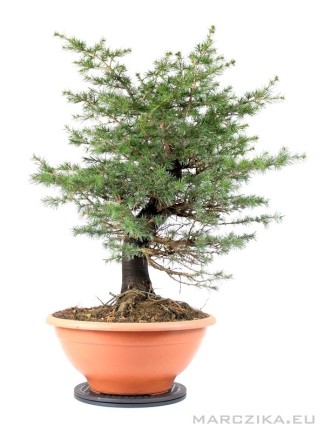
Cedrus deodara többször iskolázott bonsai előanyag, közönséges nevén Himalájai cédrus. A fa világoszöld tűlevelei kissé arany tónusúak, és a kérgében lévő olajok jellegzetes aromás illatot árasztanak...
Pinus thunbergii, a Pinus nemzetségbe tartozik, másnéven Japán feketefenyő. Ezt a gyönyörű fenyőt finom tűszerű zöld levelek jellemzik, amelyek mindig párban nőnek. Tavasszal a Thunbergii kis vöröses virágokat hoz, majd később kis barna tobozokat is növeszt. A feketefenyő az egyik legszívósabb bonsai fafajta, mert szinte minden könyörtelen, zord környezetet elvisel. Szabálytalan...
Pinus thunbergii, a Pinus nemzetségbe tartozik, másnéven Japán feketefenyő. Ezt a gyönyörű fenyőt finom tűszerű zöld levelek jellemzik, amelyek mindig párban nőnek. Tavasszal a Thunbergii kis vöröses virágokat hoz, majd később kis barna tobozokat is növeszt. A feketefenyő az egyik legszívósabb bonsai fafajta, mert szinte minden könyörtelen, zord környezetet elvisel. Szabálytalan formájú ...
Pinus nigra, közönséges nevén Feketefenyő. A feketefenyő az egyik legszívósabb bonsai fafajta, mert szinte minden könyörtelen, zord környezetet el tud viselni. Szabálytalan formájú szürke kéreggel rendelkezik, amely a fa öregedésével lassan feketévé változik. A Feketefenyők teljes napsütésben élnek és a magas hőmérsékletet is jól tolerálják , azonban a
Ginkgo biloba kínai fagyálló Ying-Xing bonsaitálban. A lombhullató fenyő félék közé tartozó Páfrányfenyők az egyik legkeresettebb bonsai alapanyagok közé tartoznak. Legyező alakú leveleik ősszel aranysárgára...
A bonsai fa kialakításában a régi japán bonsai iskolák esztétikáját követi . Idős , szépen keskenyedő törzse részletesen kidolgozott ten-jinben végződik. Kompakt, szépen sűrűsödött lombozata van, kiállítás érett bonsai.

A Marczika Kertészeti és Kereskedelmi Kft. a bonsai, orchidea és tillandsia kedvelőknek nem csak a gazdag növényválasztékot szeretné elérhetővé tenni, de minden eszközt és kiegészítőt, ami tartásukhoz amatőr, hobbista és professzionális szinten egyaránt szükséges lehet.
CÉGADATOK:
Marczika Kertészeti és Kereskedelmi Kft.
2030 Érd, Napvirág utca 4-2.
Mobil: +36 30 680 5420
Tel/Fax: +36 23 375 094
E-mail: info@marczika.hu
Adószám: 13324711-2-13
Cégjegyzékszám: Pest Megyei Bíróság, 13-09-099915
Bankszámlaszám HUF: CIB Bank 10700574-68549639-51100005 / Bankszámlaszám EUR: CIB Bank HU0510700574-68549639-50000005 (CIBHHUHB)
Kártyás fizetés szolgáltatója:

Elfogadott kártyák: