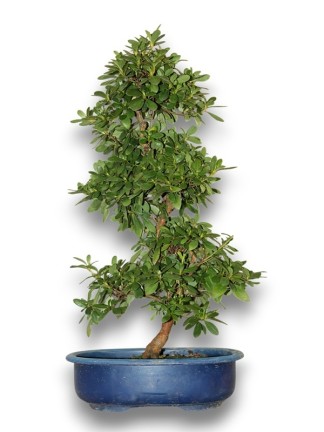
It is important to know about outdoor bonsai trees that you need to keep them outdoors in the garden or on the terrace or balcony in winter and summer - not to keep them indoors. Water them so that their soil does not dry out (keep it moist at all times). We offer plants ranging from a few Euros to bonsai trees and to exclusive Japanese quality bonsai trees. Choose from a selection of deciduous or evergreen or blooming bonsais.
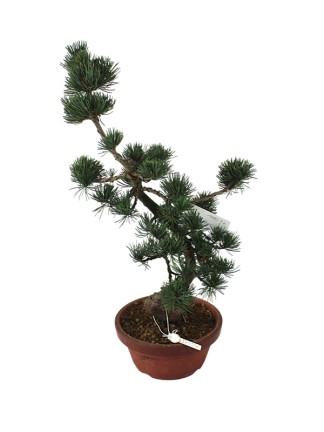
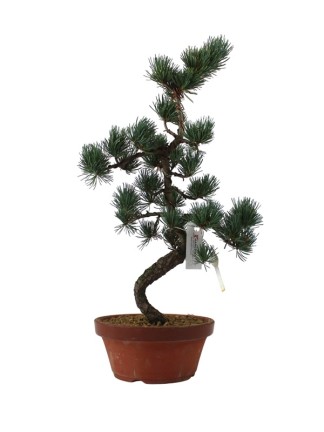
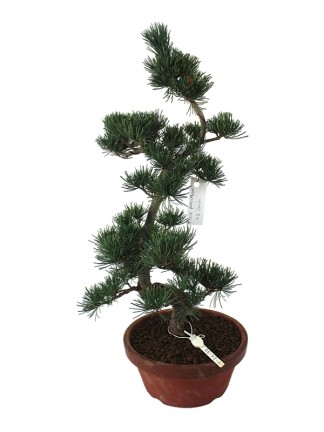
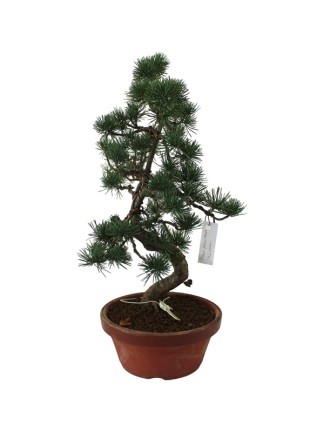
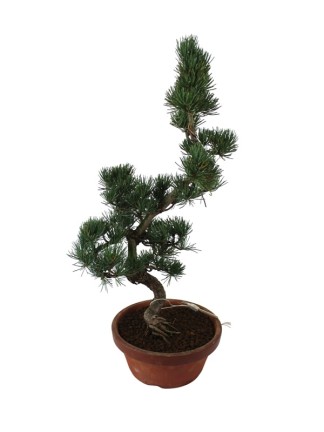
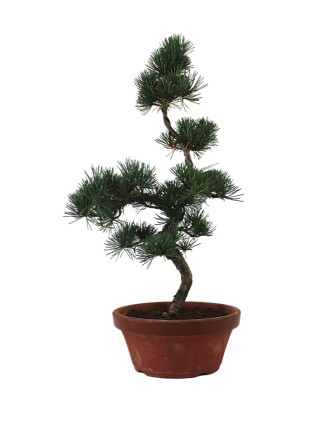
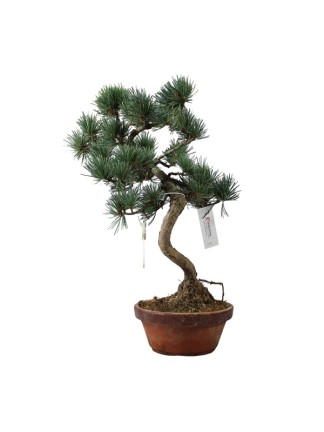
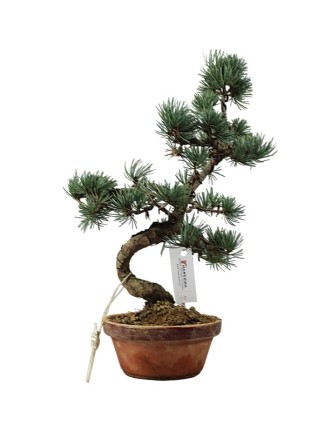
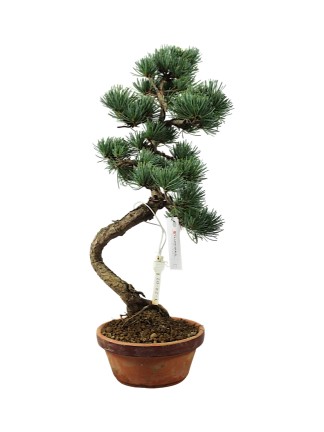
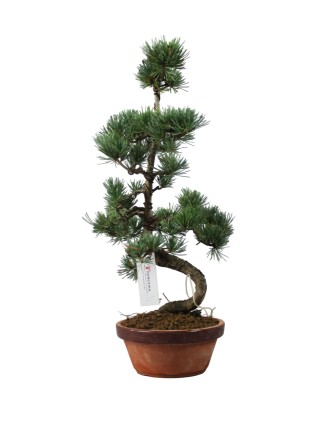
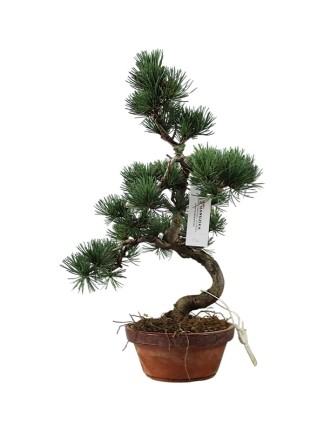
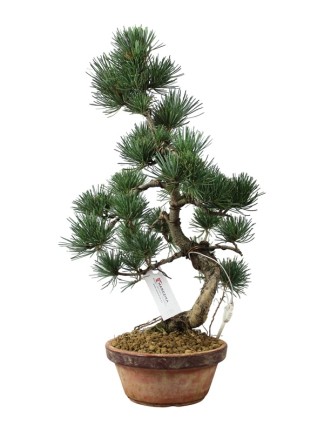
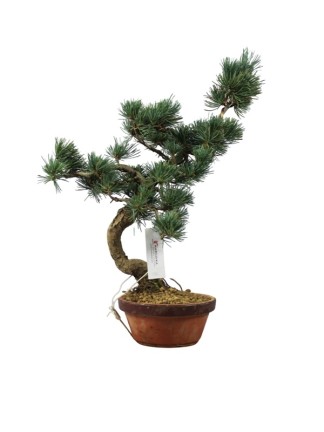
Medium - sized Japanese White Pine (Pinus parviflora) pre-bonsai, 50-55 cm tall, planted in a 19 cm diameter training pot.
Medium - sized Japanese White Pine (Pinus parviflora) pre-bonsai, 50-55 cm tall, planted in a 19 cm diameter training pot.
Medium - sized Japanese White Pine (Pinus parviflora) pre-bonsai, 50-55 cm tall, planted in a 19 cm diameter training pot.
Medium - sized Japanese White Pine (Pinus parviflora) pre-bonsai, 50-55 cm tall, planted in a 19 cm diameter training pot.
Medium - sized Japanese White Pine (Pinus parviflora) pre-bonsai, 50-55 cm tall, planted in a 19 cm diameter training pot.
Medium - sized Japanese White Pine (Pinus parviflora) pre-bonsai, 50-55 cm tall, planted in a 19 cm diameter training pot.
Medium - sized Japanese White Pine (Pinus parviflora) pre-bonsai, 50-55 cm tall, planted in a 19 cm diameter training pot.
Medium - sized Japanese White Pine (Pinus parviflora) pre-bonsai, 50-55 cm tall, planted in a 19 cm diameter training pot.
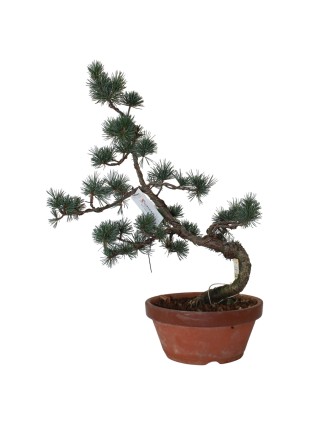
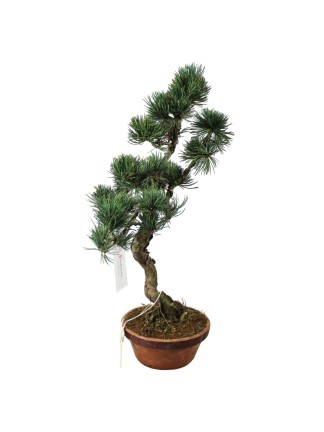
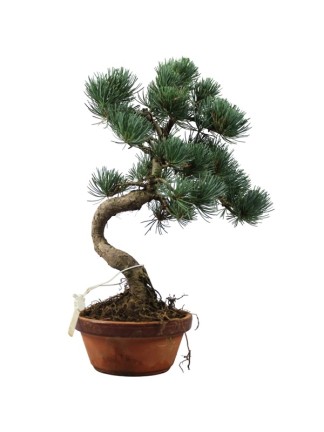
Small Japanese White Pine (Pinus parviflora) pre-bonsai, 40–45 cm tall, planted in a 14 cm diameter training pot.
Small Japanese White Pine (Pinus parviflora) pre-bonsai, 40–45 cm tall, planted in a 14 cm diameter training pot.
Small Japanese White Pine (Pinus parviflora) pre-bonsai, 40–45 cm tall, planted in a 14 cm diameter training pot.
Small Japanese White Pine (Pinus parviflora) pre-bonsai, 40–45 cm tall, planted in a 14 cm diameter training pot.
Small Japanese White Pine (Pinus parviflora) pre-bonsai, 40–45 cm tall, planted in a 14 cm diameter training pot.
Small Japanese White Pine (Pinus parviflora) pre-bonsai, 40–45 cm tall, planted in a 14 cm diameter training pot.
Small Japanese White Pine (Pinus parviflora) pre-bonsai, 40–45 cm tall, planted in a 14 cm diameter training pot.
Small Japanese White Pine (Pinus parviflora) pre-bonsai, 40–45 cm tall, planted in a 14 cm diameter training pot.
Small Japanese White Pine (Pinus parviflora) pre-bonsai, 40–45 cm tall, planted in a 14 cm diameter training pot.
Kb. 45 cm magas azálea bonsai, mely tavasszal gyönyörű virágaival kápráztat el bennünket.
The Pinus parviflora (Japanese White Pine) is one of the most prestigious and highly prized species in the art of bonsai. Its elegant appearance, delicate blue-green needles, and refined character make it a timeless favorite among bonsai enthusiasts. T
Pinus parviflora is a long-lived and highly valued bonsai species that develops increasing character and beauty with proper care over the years. It is an outdoor bonsai that should be kept outside throughout the year and thrives best in a sunny to partially shaded location.
The Ginkgo biloba (Ginkgo tree) is an easy-to-care-for outdoor bonsai, admired for its unique fan-shaped leaves and remarkable seasonal beauty. During summer, it displays fresh green foliage, which transforms into a stunning golden-yellow canopy in autumn before the leaves fall.From spring to autumn, the tree should be kept in a bright, sunny location, with regular watering and sufficient fertilization to support healthy growth. The ginkgo is one of the most sought-after bonsai species due to its distinctive appearance and ancient lineage.As a deciduous tree, the Ginkgo offers a beautiful winter silhouette, with its bare branch structure creating a rustic and elegant appearance. In spring, delicate green buds emerge and gradually develop into fresh new shoots.Ginkgo biloba is one of the few plant species that has very few natural pests and is highly resistant to environmental stresses. It is completely winter hardy and can tolerate a wide range of weather conditions. Although it is considered a slow-growing bonsai species, with proper fertilization it can produce vigorous new shoots and continue to develop beautifully over many years.
A Korean Hornbeam (Carpinus coreana) bonsai, trained in the Seki-joju style, is a unique and captivating addition to any bonsai collection. Its distinctive form, where the roots embrace the rock and create a natural, rugged appearance, gives the tree a special character and a strong connection with nature.
Throughout the changing seasons, this bonsai reveals a different beauty: fresh green foliage in spring brings vitality to the composition, while in autumn the leaves transform into warm yellow and orange shades, creating a stunning seasonal display.
Pyracantha (Firethorn) is one of the most attractive outdoor bonsai species, admired for its ever-changing beauty throughout the seasons. In spring, it is covered with clusters of small white flowers, which are followed in autumn by vibrant orange or bright red berries. These decorative fruits remain on the tree for a long time, providing striking visual interest well into the winter months.
Neagari Style Chinese Quince Bonsai (Pseudocydonia sinensis) in a Round Training Pot
The Pinus parviflora (Japanese White Pine) is one of the most prestigious and highly prized species in the art of bonsai. Its elegant appearance, delicate blue-green needles, and refined character make it a timeless favorite among bonsai enthusiasts. This specimen has been trained in the Moyogi (informal upright) style, featuring a gracefully curved trunk that reflects the natural form of trees growing in the wild.
Metasequoia glyptostroboides, commonly known as The Dawn Redwood. Dawn redwoods are very tall trees in nature with straight habitus with soft needle-shaped foliage. Redwoods are native to China and are among the deciduous pines. It is very popular as a bonsai, in most cases for group planting, effective in the ‘Yose ue’ style (forest style).

Marczika Horticulture and Trade Ltd. wants to provide those who love bonsai, orchid and tillandsia not only with a large variety of plants, but also all tools and accessories needed to keep them at amateur, hobby and professional levels.
COMPANY DATA:
Marczika Horticulture and Trade Ltd.
Napvirág utca 4-2., Érd, H-2030
Mobil: +36 30 680 5420
Tel/Fax: +36 23 375 094
E-mail: info@marczika.hu
Tax number: 13324711-2-13
Registration number: Pest Megyei Bíróság, 13-09-099915
Bank account number HUF: CIB Bank 10700574-68549639-51100005 / Bank account number EUR: CIB Bank HU0510700574-68549639-50000005 (CIBHHUHB)
Kártyás fizetés szolgáltatója:

Elfogadott kártyák: